Drafting Blog Posts Fast: A Repeatable System That Beats Waiting for Inspiration
Stop staring at blank pages. Use a blog draft template, an outline first approach, and smart AI edits to draft blog posts faster without sounding generic.

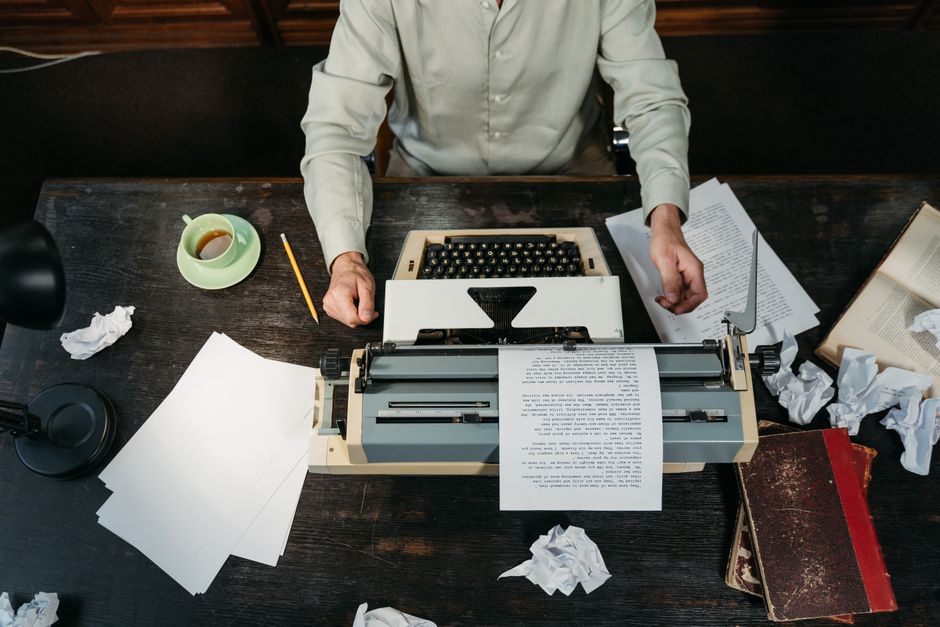
Staring at a blank page while your competitor publishes three posts a week is not a talent gap. It is a process gap. Drafting blog posts fast without turning them into generic AI sludge comes down to a repeatable system, not some burst of creative lightning you wait around for.
Key Takeaways
- A blog draft template turns a blank page into a fill in the blanks exercise every single time.
- Outline first, write second: skipping this step is why most drafts stall halfway through.
- AI tools speed up the first draft, but your edits are what keep the post from sounding hollow.
- Batch your drafting sessions so you are writing five posts in the time it used to take for one.
- A consistent draft structure makes editing, SEO checks, and publishing dramatically faster down the line.
Why do most blog drafts stall out before they get published?
Most drafts die because writers try to write and edit in the same breath, which kills momentum before the post gets anywhere close to done. You write a sentence, hate it, rewrite it, second-guess the headline, and forty minutes later you have one polished paragraph and no idea what comes next.
That is not a writing problem. It is a sequencing problem.
Here is what actually kills a draft before it sees daylight:
- Editing while drafting. You cannot judge and create at the same time without one of them losing.
- No outline. Every paragraph becomes a fresh decision instead of the next item on a list.
- Perfectionism at the wrong stage. Polish belongs in revision, not in the first messy pass.
- No deadline or batching system. A half finished draft with no due date just sits in your drafts folder collecting dust.
Only 22% of bloggers post every single week, and the gap between that group and everyone else is rarely talent. It is that the weekly posters solved the stalling problem and the rest of us are still fighting it fresh every time we sit down.
What should a blog draft template actually include?
A blog draft template should hand you a working headline, a one sentence thesis, placeholder H2s, and slots for links and a meta description before you write a single body paragraph. The whole point is that every decision you would normally make mid draft gets made in advance.
Break it down piece by piece:
A working headline, plus backups. Draft the headline first, then write two or three backup versions so you can test tone and keyword fit before you commit. You are not marrying the first one that comes to mind.
A one sentence thesis statement. This is the sentence that keeps the whole post pointed at one argument instead of drifting into three half made points. If you cannot state your thesis in one sentence, you are not ready to draft yet.
Placeholder H2s mapped to search intent. Build the skeleton of the post around what someone searching that keyword actually wants to know, before you write a word of the body. The structure should exist on the page before the ideas do.
Slots for internal links, a CTA, and a meta description. Bolt these on later and you will forget half of them, or worse, they will feel forced. Build the slots in from the start and filling them becomes part of the draft, not an afterthought.
How do you go from outline to finished draft without losing steam?
You go from outline to finished draft by writing the body first, the intro last, and by refusing to edit until the whole thing is down on the page. Order matters more than most writers think, and skipping the messy first pass is exactly how drafts stall out.
Here is the sequence that actually works:
- Write the body sections first. Save the lede and intro for last, because they are far easier to write once you already know what the post says.
- Turn outline bullets into topic sentences. Take each bullet point from your outline and expand it into two or three sentences. That is it. You already did the hard thinking when you built the outline.
- Set a timer for the rough pass. Get the whole draft down messy in one sitting, then fix it in a completely separate editing pass. Do not let the two overlap.
- Read it out loud once. Awkward phrasing hides on the screen but announces itself the second you say it out loud.
Where do AI drafting tools actually help, and where do they hurt?
AI tools genuinely speed up outline generation and rough first passes on sections where you are stuck, but they hurt the moment you publish their output verbatim without fact checking it or adding your own voice. The tool is a speed multiplier, not a replacement for judgment.
Used well, AI does the heavy lifting on structure so you can spend your time on the parts that actually need a human: examples, accuracy, and a tone that does not sound like it was scraped off a dozen other blogs. Drafting shows up as a core part of the blogging workflow for the majority of bloggers already, right alongside ideation and keyword research, which tells you this is not a fringe workflow anymore. It is the default.
The failure mode is predictable: someone runs a prompt, copies the output, hits publish, and wonders why the post reads like it could have come from any other blog covering the same topic. Google's own guidance rewards helpful, people first content regardless of how it was drafted, which means the tool was never the risk. Skipping the human quality control pass is.
The fastest workflows split the labor cleanly: AI for structure and speed, a human pass for accuracy, examples, and tone. Neither half works well alone.
How do you build a repeatable system so this gets easier every time?
You build a repeatable system by saving your best draft structures as reusable templates, batching research separately from writing, and tracking how long each draft actually takes so you can find the real bottleneck. The goal is that post number twenty is easier than post number two, not the same fight every time.
A few concrete habits worth stealing:
- Save your best performing structures. If a post structure worked once, template it and reuse it instead of rebuilding from scratch.
- Batch research and outlining separately from writing. For example, a solo creator who batches five outlines on Monday and drafts all five posts by Wednesday, instead of writing one post start to finish each day, gets more output out of the same hours.
- Track your drafting time. You cannot fix a bottleneck you have not measured. If the intro is eating twenty minutes every time, that is where your process is slow.
- Run a short checklist before calling anything done. Headline, thesis, outline, links, meta description. Five items, every single time.
Take a small business owner who reuses the same H2 structure (problem, solution, how to, FAQ) for every service page style post: they never have to solve the structure problem twice. Or take an agency that runs AI generated first drafts through a human editing checklist before anything goes to a client: it catches the generic phrasing before the client ever sees it.
Here is how the three approaches actually stack up against each other in practice:
Drafting approach compared
| Approach | Typical time to first draft | Best for |
|---|---|---|
| Blank page, no template | 2 to 4 hours per post | Nobody, honestly. Avoid this. |
| Reusable draft template, written manually | 45 to 90 minutes per post | Solo creators and small teams writing 1 to 2 posts a week |
| Template plus AI assisted first pass, human edited | 20 to 45 minutes per post | Agencies and businesses publishing several posts a week |
Notice the pattern. Those time savings don't come from typing faster. They come from removing decisions from the drafting session itself.
The Bottom Line
Fast drafting is not about being a faster typist. It is about removing every decision you can make in advance so the actual writing session is just filling in blanks. Build the template once, and every post after it gets easier.
Frequently Asked Questions
How long should a blog post draft actually take to write?
With a solid template and outline, a focused writer can get a rough draft done in under an hour. If it is taking three or four hours, the problem is usually a missing outline, not a lack of skill.
Is it okay to use AI to write my first draft?
Yes, as long as you treat it as a rough pass, not a finished product. Fact check it, add your own examples, and rewrite anything that sounds like it could have come from any other blog.
What is the single biggest mistake people make when drafting?
Editing while drafting. Trying to perfect a sentence before the paragraph after it exists is how drafts die halfway through. Get the whole thing down first.
Should every blog post follow the exact same template?
The bones should stay consistent (headline, thesis, structured H2s, CTA slot) but the tone and format should flex with the topic. A template is a starting point, not a cage.
How do I know if my draft is actually ready to publish?
Run it against a short checklist: clear thesis, scannable structure, internal links added, meta description written, and it reads fine out loud. If it passes all five, ship it.